Character customization has always been a defining feature of World of Warcraft, offering players the chance to create avatars that reflect their personal style, preferences, and identity.
From the earliest days of the game, where customization was limited to basic choices, to the current vast array of options available, the evolution of character customization has mirrored broader changes in gaming culture and player expression. This article explores how the evolution of character customization in WoW has impacted player identity and what it reveals about the ways players express themselves within the game world.
The Early Days: Limited Customization, Big Impact
When World of Warcraft was first released, character customization was a relatively simple affair. Players could choose from a selection of races, classes, and a few cosmetic features such as hair and skin color. Despite these limited options, players still found ways to express themselves, whether through unique class combinations or by joining guilds that reflected their playstyle.
Even with these early limitations, the ability to craft a character was an important step in fostering a sense of ownership and connection to the game. Players began to invest emotionally in their avatars, leading to the understanding that character creation was not just about aesthetics — it was a deeply personal experience.
The Rise of Visual Expression: Transmogrification and Cosmetic Customization
As World of Warcraft expanded, so did the options for character customization. One of the most notable additions was transmogrification, introduced in the Mists of Pandaria expansion. This feature allowed players to change the appearance of their gear without altering its stats, granting a level of aesthetic freedom previously unseen in the game.
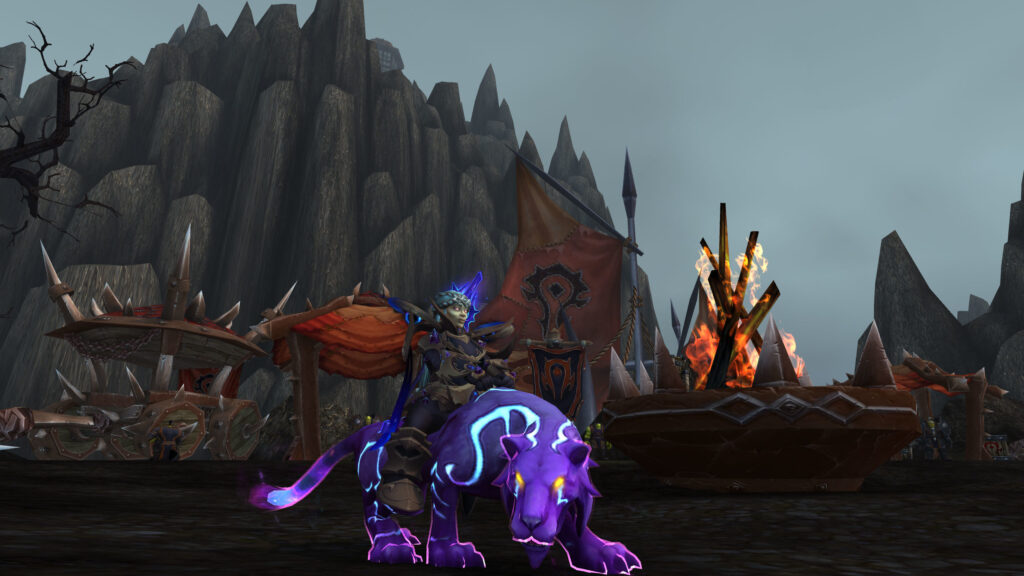
Transmogrification marked a shift in player expression — players could now dress their characters to reflect their personality or roleplay style. It became not just a gameplay mechanic but a cultural phenomenon within the game, with players spending hours perfecting their character’s look and showing off their customized outfits in-game.
- Transmogrification: Players could now change their gear’s appearance without affecting its functionality.
- Cosmetic Items: The addition of cosmetic items, such as pets, mounts, and transmog sets, gave players even more ways to express themselves.
- Roleplay Expression: Transmogrification allowed players to express themselves in roleplay settings, leading to more vibrant communities.
Modern Customization: A Vast Array of Choices
Today, character customization in WoW has evolved into one of the game’s most beloved features. The addition of race and class combinations, a multitude of hairstyles, skin tones, facial features, and even tattoos and scars has made the process of creating a character far more detailed. Players can now craft characters that are not just a reflection of their personality but also their in-game identity.
The evolution of customization options speaks to the growing trend in gaming of providing players with the tools to create more personalized experiences. This level of customization is more than just about looks; it’s about creating an avatar that feels like an extension of the player’s own identity, one that resonates with their personal narrative in the game.
The Role of Customization in Player Identity and Expression
Character customization has become a vital part of how players express themselves in WoW. Beyond creating an avatar, the process of character creation allows players to project their own identity into the game world. Whether it’s a heroic, stoic warrior, a mischievous rogue, or a mystical mage, a player’s character can be a powerful representation of who they are in the game — or who they aspire to be.

Through customization, players can experiment with different identities, play different roles, and explore different aspects of themselves. This form of self-expression is central to the role-playing aspect of the game, allowing for deeper immersion and engagement.
- Player Identity: The customization options allow players to shape their avatar to align with their personality.
- Self-Expression: Customization allows for a deeper level of self-expression, from visual aesthetics to gameplay style.
- Role-Playing: Players can create characters that represent different aspects of themselves or their desired in-game personas.
Conclusion
The evolution of character customization in World of Warcraft is a reflection of the growing importance of player expression and identity in online gaming. What began as a simple process of choosing race and class has transformed into a detailed system that allows players to shape their characters in meaningful ways.
Through transmogrification and an ever-expanding range of customization options, WoW has enabled players to create avatars that not only fit their playstyle but also represent their personal identity. This evolution underscores how customization in gaming is about more than just looks — it’s about making the game world feel personal, unique, and alive.